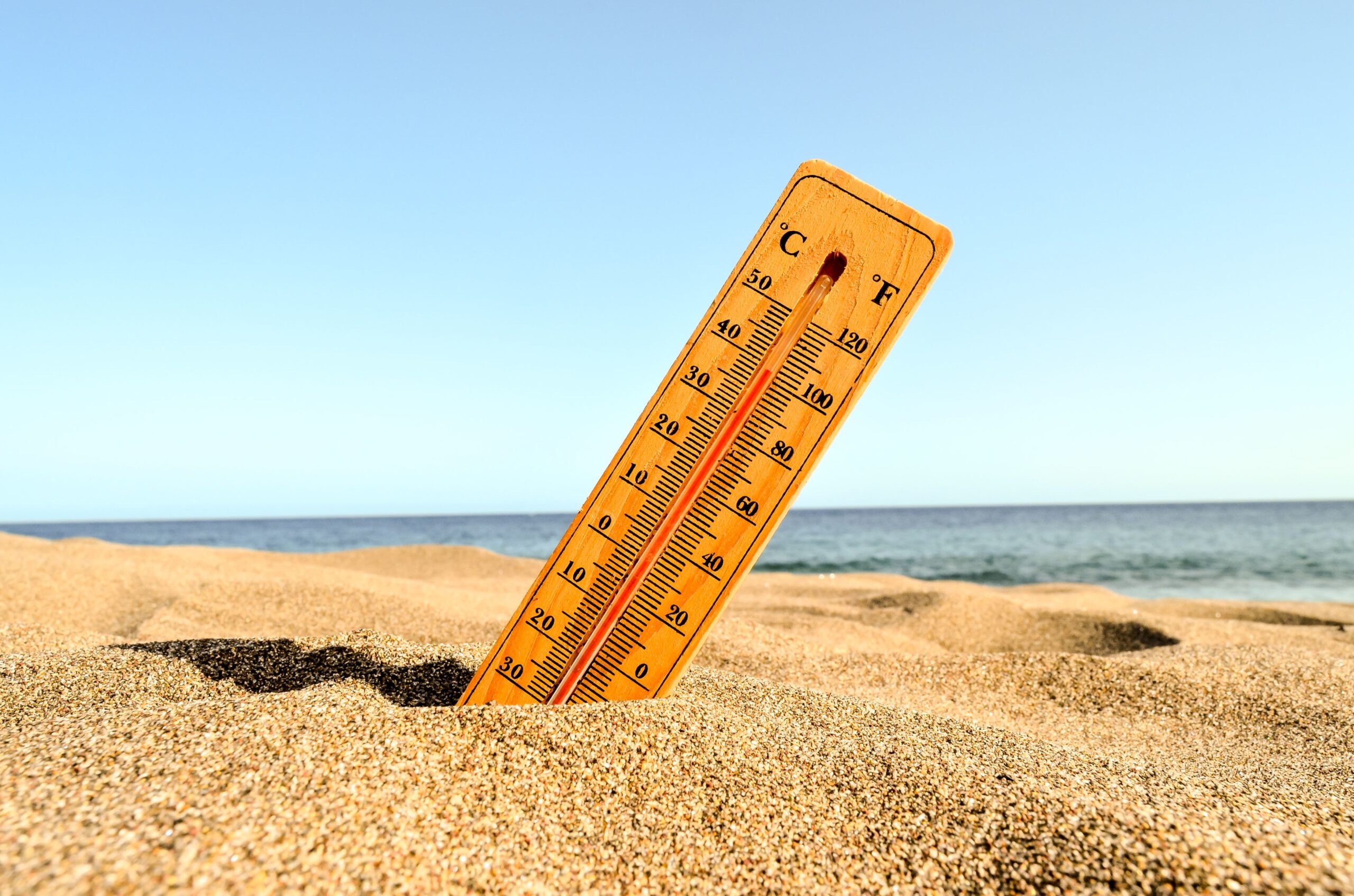
For many people, heatwaves and climate change have made summers feel fundamentally different — heavier, longer, and harder to escape. The heat feels heavier. The nights feel warmer. Even simple daily activities now feel exhausting during peak summer months.
In cities like Mumbai, Delhi, Phoenix, Madrid, and Bangkok, people are increasingly planning their routines around avoiding afternoon heat. Outdoor walks become shorter, roads stay hot late into the night, and air conditioners run for hours without much relief.
Many adults now say the same thing: “Summers didn’t feel like this before.” And in many ways, they’re right.
Across the world, extreme heatwaves are becoming more frequent, more intense, and longer-lasting. Scientists continue to warn that climate change is increasing the likelihood of severe heat events globally.
What once felt like an occasional extreme summer is slowly becoming part of everyday life.
Why Heatwaves and Climate Change Are Making Summers Worse
Rising global temperatures are one major reason.
As greenhouse gases trap more heat in the atmosphere, the planet gradually becomes warmer overall. This affects weather systems, rainfall patterns, seasonal cycles, and heat intensity. But climate change alone is not the full story. Modern cities themselves also trap heat.
Concrete roads, glass buildings, traffic, pollution, and shrinking green spaces create environments where temperatures remain high even after sunset.
This is why many people now struggle with:
- hot nights
- poor sleep
- constant sweating
- low energy levels
- mental fatigue during summer
Children who once played outdoors comfortably during evenings in many cities now spend more time indoors because temperatures remain uncomfortable late into the night. The body never fully cools down.
And over time, that constant heat becomes physically and mentally draining.
Climate Change is No Longer a Distant Problem
For years, climate change felt like something connected to the future. Now people are experiencing it directly. Extreme weather doesn’t just affect comfort — it disrupts supply chains and drives up the cost of food and goods through trade pressures.
Through:
- intense summers
- floods
- droughts
- water shortages
- wildfires
- unpredictable seasons
Extreme weather events are becoming more difficult to ignore.
Scientists have observed that heatwaves today are:
- happening more often
- lasting longer
- reaching higher temperatures
- affecting larger populations
The concern is not only about discomfort.
Extreme heat affects:
- public health
- agriculture
- electricity demand
- productivity
- sleep quality
- mental well-being
- access to water
In many regions, outdoor workers, elderly populations, and low-income communities face the greatest risks during severe heatwaves.
Why Extreme Heat Feels Emotionally Exhausting
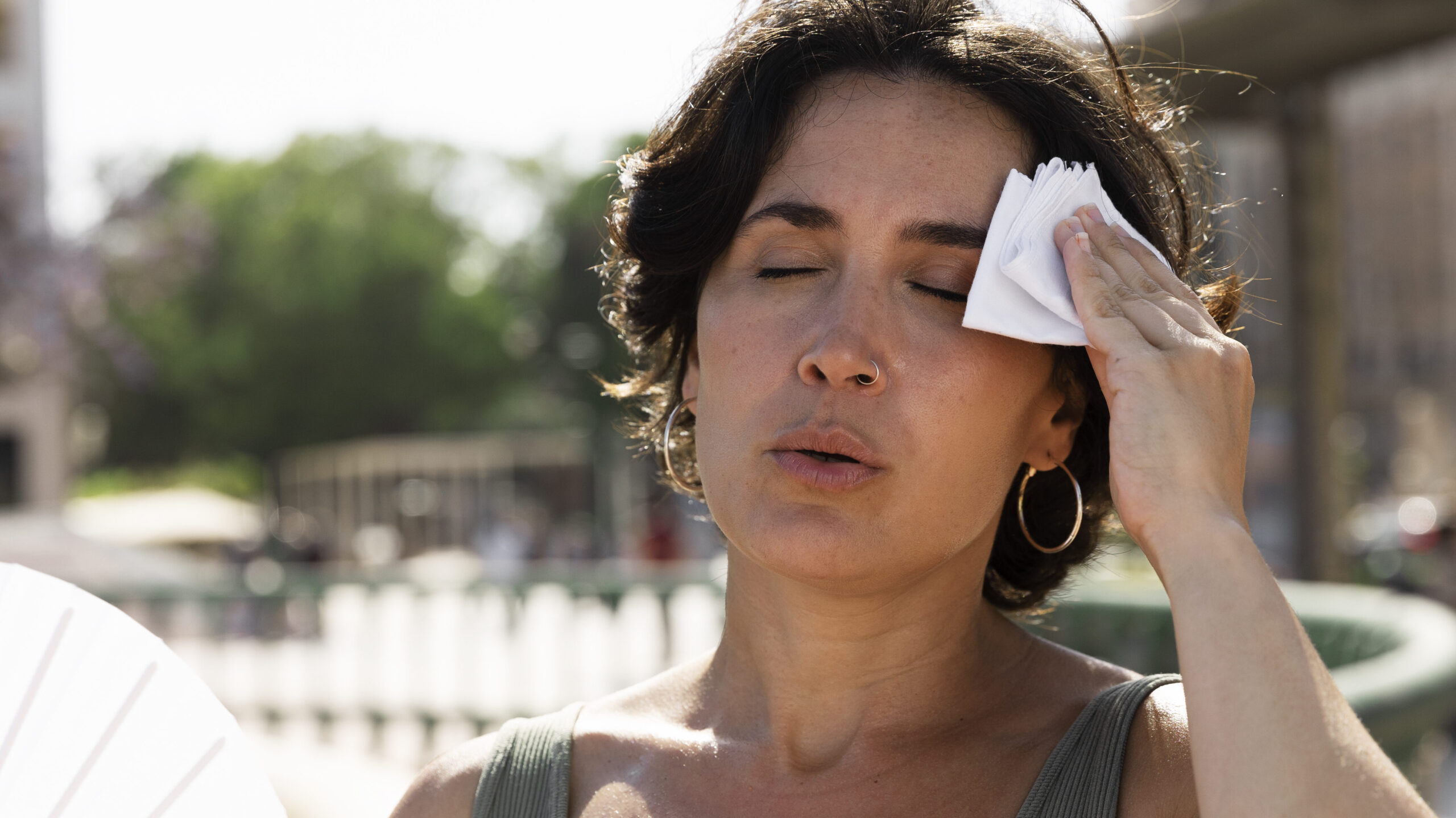
Heat affects more than the body. It also affects mood, focus, patience, and emotional balance. Many people notice during prolonged heatwaves:
- irritability
- headaches
- tiredness
- reduced concentration
- low motivation
- mental exhaustion
One of the biggest reasons is poor recovery. When nights remain hot, sleep quality drops significantly. And when people sleep poorly for days or weeks, everything begins to feel harder.
That’s why heatwaves today often feel emotionally draining instead of simply “hot.” Modern life already places enormous pressure on attention, energy, and mental health. Extreme temperatures add another layer of stress.
The Rise of Climate Anxiety
Another growing issue is climate anxiety. Many young people today quietly worry about:
- rising temperatures
- future living conditions
- environmental instability
- water scarcity
- food systems
- long-term uncertainty
Unlike temporary weather events in the past, climate change feels ongoing. People are no longer only hearing about it in documentaries or scientific reports. They are living through it. That creates a different kind of emotional response.
For some people, extreme heat now represents more than weather. It feels like a warning about the future.
Are Heatwaves Becoming the New Normal?
In many parts of the world, scientists believe extreme heat events will likely continue increasing unless greenhouse gas emissions are reduced significantly. That does not mean every single year will break temperature records.
Weather naturally changes from season to season.
But the long-term trend is clear:
- warmer average temperatures
- more intense summers
- longer heatwaves
- shorter winters in some regions
- greater climate instability
In simple terms, societies may need to adapt to living with hotter conditions more regularly. That reality is already changing the way cities function.
Why Cities Feel Hotter Than Ever
Urban areas experience what scientists call the “urban heat island effect.” Cities absorb and trap heat through:
- roads
- buildings
- vehicles
- industrial activity
- limited vegetation
That’s why temperatures in heavily populated cities often feel far worse than nearby rural areas. In many places, night-time temperatures now remain dangerously high because urban infrastructure slowly releases stored heat after sunset.
This creates additional pressure on:
- electricity systems
- healthcare services
- public transport
- water supply
Extreme heat is no longer only an environmental issue. It is becoming a major social and urban challenge.
How People Are Adapting to Rising Temperatures
Around the world, people are gradually changing everyday habits to cope with hotter conditions.
Some common adjustments include:
- avoiding outdoor activity during peak heat
- working earlier in the day
- increasing hydration
- planting more trees
- improving home ventilation
- using shaded public spaces
- reducing unnecessary heat exposure
Some cities are also investing in:
- greener infrastructure
- cooling centers
- climate-friendly urban planning
- heat-resilient buildings
Adaptation is becoming increasingly important. But experts also warn that adaptation alone may not fully solve the long-term climate challenge.
Can Climate Change Still Be Slowed?
Scientists continue to say that climate action still matters. Although some warming effects are already unavoidable, reducing greenhouse gas emissions can still help limit future climate damage.
Solutions discussed globally include:
- renewable energy
- sustainable transportation
- environmental conservation
- cleaner cities
- reduced fossil fuel dependence
- reforestation
No single action will solve climate change overnight. But collective efforts can still influence how severe future conditions become.
The Bigger Lesson Behind Heatwaves
Heatwaves are not only weather events. They are reminders of how deeply connected humans remain to the natural environment. Modern life often creates the illusion that technology separates people from nature. But rising temperatures affect almost every part of life:
- sleep
- energy
- productivity
- emotional health
- daily routines
- physical well-being
Climate change is no longer something happening “somewhere else.” People are already feeling its effects in their homes, cities, workplaces, and daily habits.
Final Thoughts
So, when will heatwaves end? There may no longer be a simple answer. Extreme heat is becoming part of a changing global climate reality. Some regions may experience temporary relief through seasonal shifts, but long-term trends suggest that many parts of the world could continue facing hotter conditions in the years ahead.
The challenge now is not only surviving rising temperatures. It is learning how to create healthier cities, more sustainable lifestyles, and a better relationship with the environment itself. Because climate change is no longer a distant future issue. It is becoming part of everyday human life.
Frequently Asked Questions (FAQs)
Why are heatwaves becoming more common?
Heatwaves are increasing mainly because of climate change, rising global temperatures, urban heat effects, and environmental changes.
Are heatwaves caused by global warming?
Scientists say global warming significantly increases the likelihood and intensity of extreme heat events.
Why do cities feel hotter than rural areas?
Cities trap heat through concrete, buildings, traffic, and reduced green spaces, creating the urban heat island effect.
How do heatwaves affect mental health?
Extreme heat can increase stress, sleep problems, irritability, mental fatigue, and emotional exhaustion.
Can climate change still be slowed down?
Experts believe reducing greenhouse gas emissions and adopting sustainable practices can help limit future climate impacts.