

More Than Football: The Emotion Behind the World Cup
For millions of football fans, attending the 2026 FIFA World Cup is not just another sporting event. It’s a lifelong dream.
The atmosphere of packed stadiums.
Fans singing national anthems.
Last-minute goals that shake entire cities.
People from different countries celebrating together like lifelong friends.
That emotional connection is what makes the FIFA World Cup feel different from almost every other event on Earth. But as excitement for the 2026 tournament keeps growing, another reality is becoming impossible to ignore:
Watching the World Cup live is becoming extremely expensive. And for many fans, the biggest challenge may no longer be football itself — it may be affordability.
Why FIFA World Cup 2026 Is Already Creating Massive Global Demand
The 2026 tournament is expected to become the biggest FIFA World Cup in history.
For the first time ever:
- 48 national teams will participate
- matches will be hosted across 3 countries
- stadium capacities will expand significantly
- tourism demand is expected to break records
Host nations include:
- United States
- Canada
- Mexico
This scale alone has created enormous worldwide interest.
But modern football culture has also changed dramatically because of social media. Today, fans don’t only travel for football.
They travel for:
- experiences
- stadium content
- football tourism
- travel vlogs
- social media memories
- once-in-a-lifetime moments
For many younger supporters, attending the World Cup has become part sports event, part global festival, and part personal milestone. That emotional demand is one major reason ticket competition is already exploding worldwide. And on top of it, finding where to watch the matches has become its own challenge, as streaming platforms fight billion-dollar battles for sports rights.
FIFA World Cup 2026 Ticket Price Ranges
Official FIFA ticket phases continue changing, but based on current estimates, previous tournaments, hospitality pricing, and resale market activity, fans are already seeing major price differences depending on match importance.
Estimated Ticket Pricing Reality
| Match Stage | Estimated Ticket Range |
|---|---|
| Group Stage | $60 – $300 |
| Round of 16 | $180 – $600 |
| Quarterfinals | $400 – $1,500 |
| Semifinals | $800 – $4,000 |
| Final Match | $2,000 – $15,000+ resale |
These numbers can rise significantly depending on:
- seating category
- hospitality access
- resale demand
- stadium location
- team popularity
Some premium resale packages for the final have already appeared online at luxury-level prices. For many ordinary supporters, the FIFA World Cup Final may realistically become financially unreachable without years of planning or lottery success.
Which FIFA World Cup Cities Are Selling Fast?
Not every host city is seeing the same level of demand. Some locations are already becoming extremely competitive because of tourism appeal, football culture, and match importance.
New York / New Jersey
This region is expected to become the hottest ticket market because it hosts the World Cup Final.
Why demand is exploding:
- global tourism appeal
- international airport access
- celebrity and influencer presence
- corporate hospitality demand
- massive media attention
Many fans already expect final tickets here to become nearly impossible to secure through regular sales.
Los Angeles
Los Angeles combines:
- football culture
- entertainment industry influence
- strong Latin American fan communities
- tourism popularity
Many international supporters are planning full vacations around LA matches rather than attending only the games themselves.
Mexico City
For traditional football fans, Mexico City carries enormous emotional value. Watching football at Estadio Azteca feels historic because of:
- legendary football moments
- passionate crowds
- deep football culture
Many supporters say the atmosphere there may become one of the most unforgettable experiences of the tournament.
Miami
Miami is attracting huge international attention because of:
- tourism appeal
- nightlife
- beach culture
- international accessibility
But accommodation prices in Miami are also expected to become some of the highest during the tournament.
Dallas & Atlanta
These cities are increasingly becoming attractive options for budget-conscious fans because:
- larger stadium capacities
- comparatively better hotel availability
- easier travel logistics
Some supporters are intentionally targeting these cities to avoid extreme prices in New York or Los Angeles.
How Many Tickets Are Expected to Sell?
The scale of demand is enormous. Industry projections suggest:
- millions of fans worldwide will apply during ticket phases
- high-profile matches could sell out within minutes
- resale markets may become more active than ever
Football today is no longer only watched locally.
The World Cup attracts:
- lifelong supporters
- travel creators
- influencers
- tourists
- luxury buyers
- global brands
That combination creates demand levels far beyond stadium capacity.
Many fans already compare the process to competing for major concert tickets or luxury event access.
Match Timings: A Big Challenge for International Fans

Because the tournament is hosted in North America, global time zones will affect viewing schedules worldwide. For fans in countries like India, many major matches may happen:
- late at night
- early morning
- during working hours
That electric atmosphere of a nation united behind a team — something RCB fans felt deeply in their back-to-back IPL triumph.
This could create a very different viewing experience compared to previous World Cups hosted in Asia or the Middle East. International travellers are also expected to face:
- long-distance domestic flights
- tight match schedules
- expensive transport between cities
Since host cities are spread across multiple countries, planning travel routes carefully will become extremely important.
The Hidden Costs Most Fans Underestimate
Many supporters initially focus only on ticket prices. But the ticket itself may become one of the smaller expenses.
The real financial pressure usually comes from:
- flights
- hotels
- visas
- local transportation
- stadium transfers
- food
- travel insurance
For international fans traveling from countries like India, Brazil, Argentina, or parts of Europe, the total cost can quickly become overwhelming. Hotels near stadium zones are already expected to experience massive price increases because of tourism demand.
Some fans are discussing:
- group stays
- shared apartments
- staying outside host cities
- overnight travel options
just to reduce costs.
Why Fans Are Angry About Dynamic Pricing
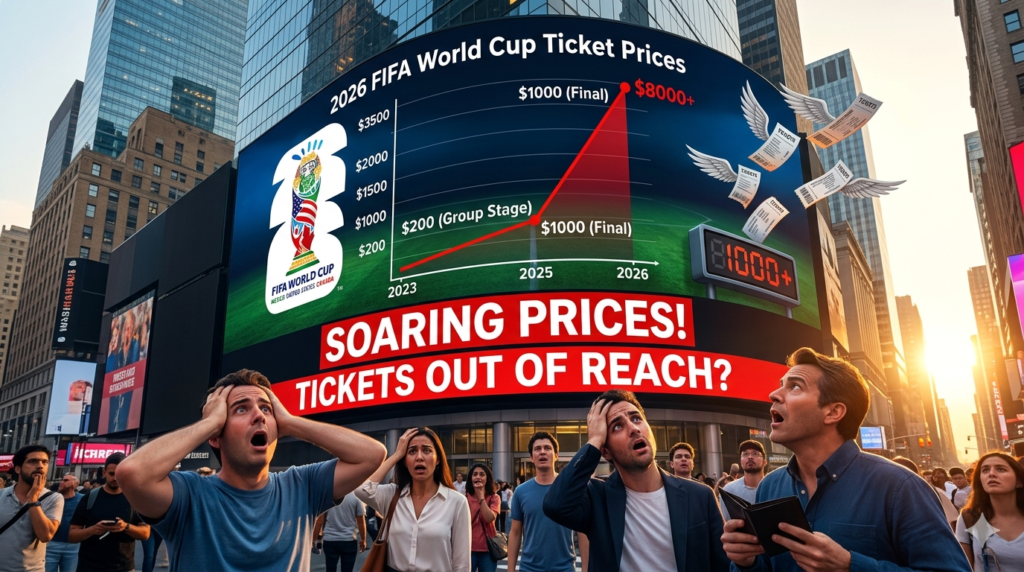
One of the biggest controversies surrounding the 2026 tournament is dynamic pricing. This pricing system changes ticket costs depending on:
- demand
- browsing activity
- availability
- market trends
Many fans believe this creates:
- artificial scarcity
- unpredictable pricing
- unfair advantages for wealthier buyers
- pressure-based purchasing
Supporters across football communities increasingly feel that modern football is slowly becoming inaccessible for ordinary fans. This debate has become one of the hottest discussions surrounding the tournament already.
Is Football Becoming Too Commercial?
The World Cup today exists at the intersection of:
- sport
- tourism
- entertainment
- social media
- branding
- business
Some supporters love the global spectacle. Others worry football culture is changing too much.
Many fans now feel:
- corporations dominate access
- hospitality packages overshadow real supporters
- stadium experiences are becoming luxury events
- ordinary football fans are being pushed aside
This tension between passion and commercialization continues growing every tournament.
Why Fans Still Spend So Much Anyway
Despite rising prices, demand keeps increasing.
Because football is emotional before it is logical.
Inside a World Cup stadium, people experience:
- strangers celebrating together
- fans crying during national anthems
- unforgettable last-minute goals
- cultures connecting through football
- memories that stay for decades
For many supporters, that emotional experience feels priceless.
They are not only buying a ticket.
They are buying a memory they may never get another chance to experience.
Final Thoughts
The 2026 FIFA World Cup is already shaping up to become one of the biggest sporting spectacles in modern history.
The excitement is real.
The demand is real.
And so are the rising costs.
For some fans, attending the tournament will require years of savings and careful planning.
Yet millions will still try to be there.
Because despite all the pricing debates, travel stress, and commercialization concerns, the FIFA World Cup still creates something incredibly rare in modern life:
A shared emotional experience powerful enough to unite strangers from every corner of the world.
And that feeling is something football fans never truly forget.