There is a conversation happening inside your body right now.
Your gut is talking to your brain. Your brain is talking back. And the quality of that conversation — shaped by what you eat, how you sleep, how much stress you carry — is quietly determining how you feel, how clearly you think, how motivated you are, and how well you handle the ordinary pressure of an ordinary day.
This isn’t a metaphor. It’s biology.
And it’s the most important health connection most people in India are still not taking seriously.
The Second Brain Nobody Told You About
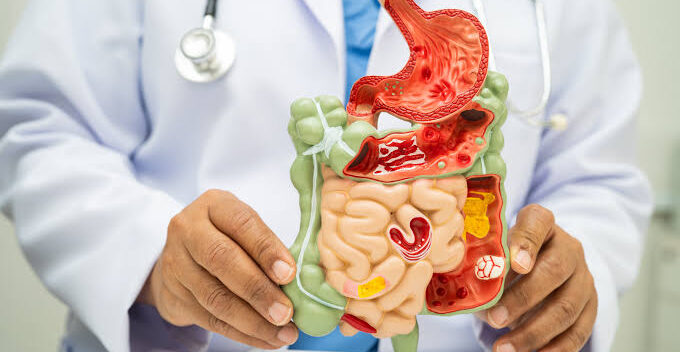
Your gut contains approximately 100 million neurons — more than your spinal cord. Scientists now refer to it as the enteric nervous system, and increasingly, they call it the second brain.
This second brain doesn’t think in the way your mind does. It doesn’t solve problems or make plans. But it regulates digestion, communicates constantly with your brain via the vagus nerve, produces hormones, influences immune function, and manufactures neurotransmitters — including approximately 90% of your body’s serotonin.
Read that again. Ninety percent of the serotonin in your body — the chemical most associated with mood stability, emotional regulation, and the general feeling that things are going to be okay — is produced in your gut. Not your brain. Your gut.
This single fact reshapes the entire conversation about mental health, motivation, and discipline. If your gut is compromised, your serotonin production is compromised. And if your serotonin is compromised, everything that depends on emotional stability becomes harder — including the discipline and focus that mind.pole readers are working toward every single day.
The Gut-Brain Axis: How It Works
The gut and brain communicate through a network called the gut-brain axis — a bidirectional highway of nerve signals, hormones, and immune molecules that runs constantly between your digestive system and your central nervous system.
The primary route is the vagus nerve — the longest cranial nerve in the body, running from the brainstem to the abdomen. Roughly 80% of the signals on this highway travel upward — from the gut to the brain — rather than the other way around. Which means your gut is sending more information to your brain than your brain is sending to your gut.
What lives in your gut determines what those signals say.
The gut microbiome — the ecosystem of trillions of bacteria, fungi, and microorganisms that reside in your digestive tract — produces neurotransmitters, regulates inflammation, and directly influences the signals sent to your brain via the vagus nerve. A healthy, diverse microbiome sends signals associated with calm, focus, and resilience. A disrupted microbiome — depleted by poor diet, stress, antibiotics, or lack of sleep — sends a very different set of signals.
Research published in the National Library of Medicine has identified specific microbial patterns in the gut microbiome associated with depression, anxiety, and cognitive impairment — and has shown that interventions targeting the microbiome can produce measurable improvements in mental health outcomes.
Your gut isn’t just digesting your food. It’s shaping your mind.
What a Disrupted Gut Actually Feels Like
Here’s where this gets personally relevant.
Gut disruption doesn’t always feel like a stomach problem. In fact, the most significant effects of a compromised microbiome often show up far from the digestive system — in ways that most people would never trace back to their gut.
Persistent low mood or irritability with no clear external cause. When serotonin production is compromised, mood becomes harder to regulate. Things that wouldn’t normally bother you start to. The baseline emotional weather is grey in a way that’s difficult to explain.
Brain fog and reduced focus. A disrupted gut microbiome produces inflammatory molecules that cross the blood-brain barrier and impair cognitive function. The specific feeling is a kind of mental friction — thoughts that are harder to complete, focus that slides away, decisions that take longer than they should.
Fatigue that sleep doesn’t fully fix. Gut dysbiosis disrupts nutrient absorption. Even when you’re eating adequately, a compromised gut may not be extracting sufficient B vitamins, magnesium, and iron — all of which are essential for energy production. You can sleep eight hours and still wake tired if your gut isn’t absorbing properly.
Cravings for sugar and ultra-processed food. Certain gut bacteria actively signal the brain to crave the foods that feed them — primarily sugar and refined carbohydrates. If you find willpower around food unusually difficult, it may not be a mindset failure. It may be your microbiome making demands.
Anxiety without a clear trigger. The gut-brain axis runs both ways. A chronically stressed gut sends stress signals to the brain. If you experience background anxiety that doesn’t map cleanly onto your actual circumstances, your gut is worth investigating.
The Indian Diet: Hidden Strengths Most of Us Are Abandoning
Here is something worth recognising before we get to solutions: traditional Indian food is one of the most gut-supportive cuisines in the world. Not by accident. By thousands of years of empirical refinement.
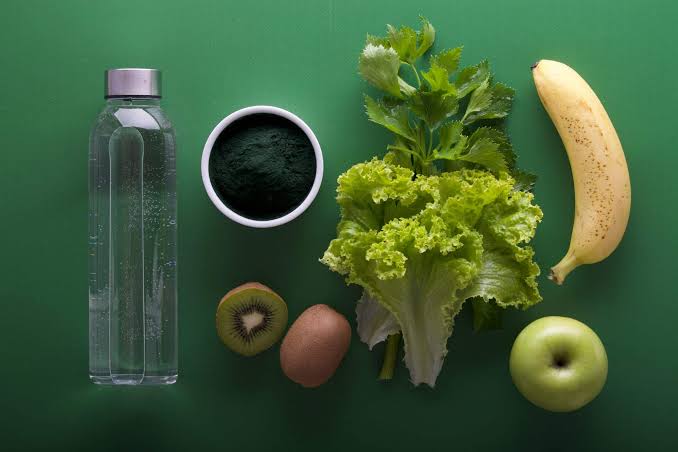
Fermented foods are built into the diet. Curd (dahi), buttermilk (chaas), idli, dosa, dhokla, kanji — these are not just comfort foods. They are naturally fermented, probiotic-rich foods that populate the gut microbiome with beneficial bacteria. Traditional Indian eating included fermented foods at almost every meal, in every region.
Spices are gut medicine. Turmeric contains curcumin — one of the most extensively studied anti-inflammatory compounds in food science. Ginger supports digestion and reduces gut inflammation. Cumin, coriander, asafoetida (hing), and fenugreek all have measurable effects on gut health and digestive enzyme activity. The spice profile of Indian cooking was not purely about flavour. Much of it was gut health by another name.
Fibre was structural. Dal, rajma, chickpeas, vegetables, whole grains — traditional Indian eating was extraordinarily high in dietary fibre, which is the primary food source for beneficial gut bacteria. A diverse, fibre-rich diet is the single most effective way to build a diverse, healthy microbiome.
The problem is that this traditional diet is being systematically abandoned. Ultra-processed foods, refined flour, high-sugar packaged snacks, and the slow disappearance of fermented foods from daily meals are reshaping the Indian gut microbiome in ways that health data is only beginning to document.
What our grandmothers put on the table every day was, among other things, gut medicine. We outsourced it to convenience food — and the mental and physical health consequences are compounding quietly.
What Is Destroying the Indian Gut Right Now
Understanding what damages the microbiome is as important as knowing what supports it.
Ultra-processed foods. The shift toward packaged snacks, instant noodles, chips, biscuits, and sugary drinks feeds the bacterial species associated with inflammation and crowds out the bacterial species associated with health. Research published in 2025 linked diets high in ultra-processed foods to significantly elevated risk of metabolic disease and premature death — and the mechanism is, in large part, gut-mediated.
Overuse of antibiotics. India has among the highest antibiotic consumption rates in the world. Antibiotics kill bacteria indiscriminately — including the beneficial bacteria that maintain gut health. Every unnecessary course of antibiotics depletes the microbiome, and rebuilding it takes months of deliberate dietary effort. This doesn’t mean antibiotics should be avoided when needed. It means they are genuinely being overused in India — and the gut is paying the price.
Chronic stress. Stress hormones — particularly cortisol — directly disrupt the gut microbiome. Chronic, sustained stress reduces microbial diversity, increases gut permeability (sometimes called “leaky gut”), and amplifies the inflammatory signals sent to the brain. The gut-stress relationship is circular: a stressed brain disrupts the gut, and a disrupted gut signals the brain to stay stressed.
Sleep deprivation. The gut microbiome has its own circadian rhythm — it follows a daily cycle that is synchronised with your sleep-wake pattern. Disrupted sleep disrupts the microbiome. This is one of the mechanisms through which sleep deprivation affects mood, focus, and emotional regulation — it’s partly a gut story, not just a brain story.
Reduced physical activity. Exercise increases microbial diversity — one of the most reliable markers of gut health. Sedentary lifestyles reduce the diversity of the microbiome in ways that affect both gut and mental health.
How to Actually Improve Your Gut Health: The Practical Part
The good news: the microbiome is responsive. It begins to shift within days of dietary change — not weeks, not months. The bad news: it requires consistency, because it reverts with equal speed when the inputs change back.
Eat fermented foods daily. One serving of curd, chaas, or any fermented food per day is a meaningful starting point. Not pasteurised — live cultures are what matter. Plain curd from a good source, not the sweetened packaged variety.
Increase dietary diversity. The microbiome thrives on variety. Eating 30 different plant foods per week — including vegetables, fruits, legumes, whole grains, nuts, and seeds — is associated with significantly better gut health outcomes than a narrow diet even if that narrow diet is “healthy.” Add one new vegetable to your weekly shop. Over time, the diversity compounds.
Eat more fibre, differently. Dal every day is excellent. But vary the dal — masoor one day, chana the next, moong after that. Each variety feeds different bacterial populations. The same principle applies to vegetables.
Reduce ultra-processed food deliberately. Not perfectly. Deliberately. One less packet of biscuits. One home-cooked meal where a packaged one would have happened. The cumulative effect of consistent small reductions is significant over months.
Manage stress as a gut health strategy, not just a mental health one. Whatever your stress management practice is — walking, breathing, journaling, nature time — it is simultaneously a gut health intervention. Frame it that way. It may make it easier to prioritise.
Be cautious with antibiotics. Take them when medically necessary. Question them when they’re prescribed reflexively. And when you do take a course, follow it with a deliberate period of fermented foods and dietary fibre to help rebuild what was lost.
The Mindset Reframe
Here is the perspective shift that ties everything in this post together.
Mental health is not purely a mind problem. Discipline is not purely a willpower problem. Focus is not purely a habit problem.
All of these are, in part, body problems — and specifically, in significant part, gut problems.
When you eat well, you are not just managing your weight or your cholesterol. You are maintaining the ecosystem that produces 90% of your serotonin, regulates the inflammatory signals reaching your brain, and shapes the quality of the communication between your gut and your mind every single hour of every day.
This doesn’t reduce the importance of mindset work. It expands the definition of what mindset work actually includes.
Taking care of your gut is taking care of your mind. Feeding your microbiome well is feeding your capacity for focus, emotional stability, and disciplined action. The dahi your grandmother put on the table every afternoon was not incidental. It was part of a system for living well — one that understood the body and mind as inseparable long before neuroscience had the tools to explain why.
A rooted mind needs a rooted body. The soil matters as much as the seed.
Quick Recap
- Your gut produces approximately 90% of your body’s serotonin — gut health is mental health
- The gut-brain axis is a bidirectional communication highway; 80% of signals travel from gut to brain, not the reverse
- Gut disruption shows up as low mood, brain fog, unexplained fatigue, cravings, and background anxiety — not just digestive symptoms
- Traditional Indian food — fermented foods, spices, fibre-rich dal and vegetables — is among the most gut-supportive diets in the world
- Antibiotics overuse, ultra-processed food, chronic stress, and sleep deprivation are the primary gut disruptors in the Indian context
- Practical improvements: daily fermented food, dietary diversity, increased fibre variety, stress management, and cautious antibiotic use
Read next: [Why Discipline Feels Impossible Some Days — link here] | [Why Sleep Is the Most Underrated Discipline Habit — link here]