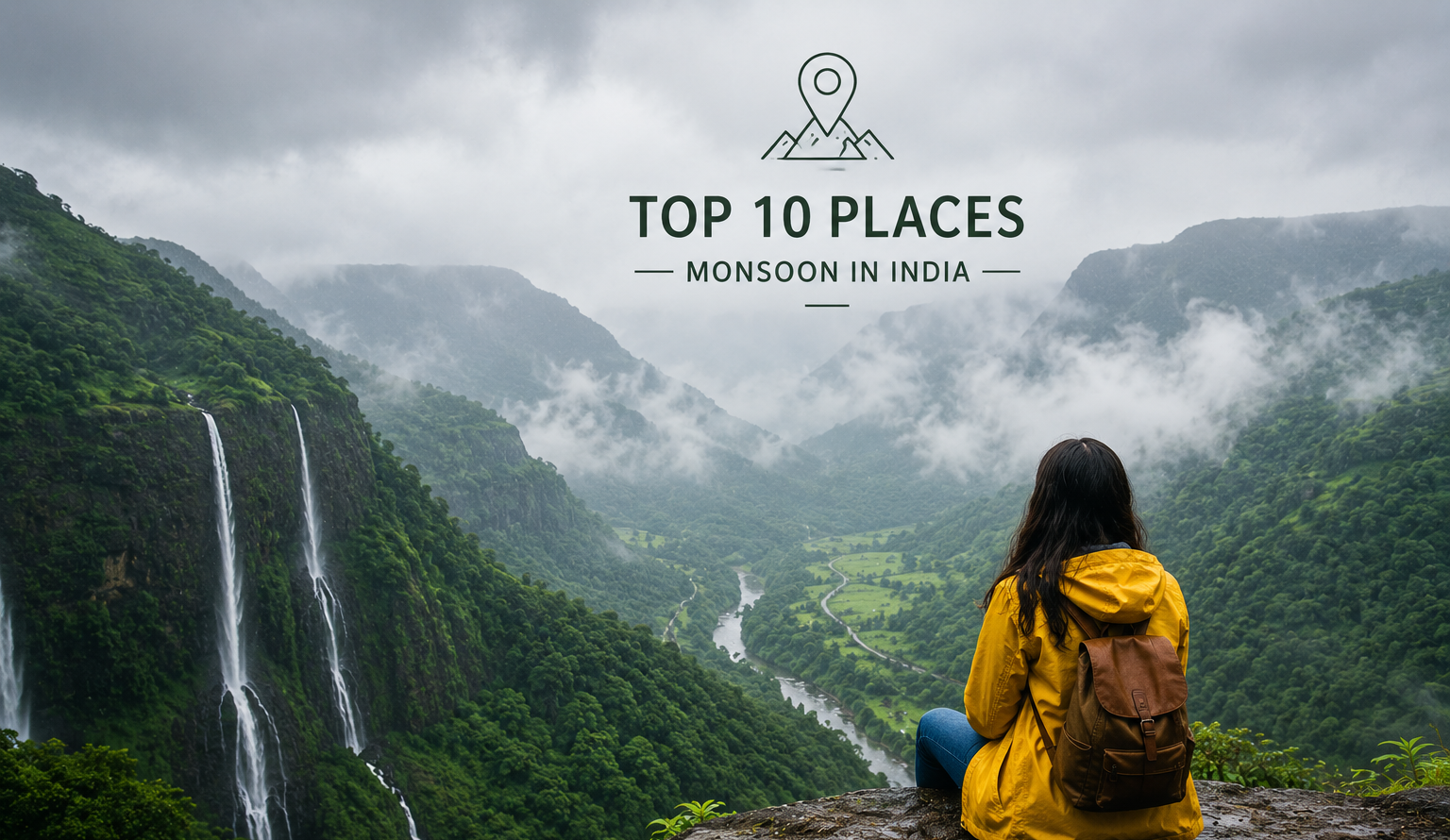
Most people think monsoon is the wrong time to travel. They’re wrong.
Monsoon is when India reveals a version of itself that dry-season tourists never get to see — waterfalls that don’t exist in January, valleys that turn a shade of green you didn’t think was real, and roads so empty you feel like the whole place belongs to you.
These 10 destinations aren’t just beautiful in the rain. They’re transformed by it.
1. Munnar, Kerala — Where Green Becomes Infinite
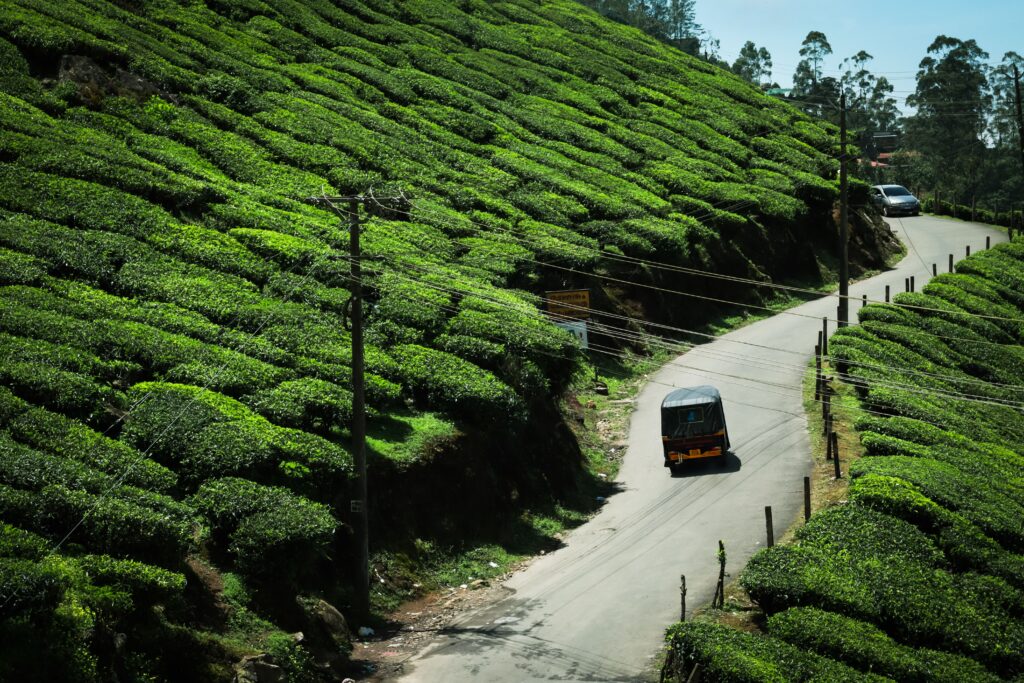
Munnar in monsoon is a different planet. The tea plantations turn a deep, almost electric green that no photograph fully captures. GAP Road — one of the most underrated drives in all of India — cuts straight through the estates and into valley views that open up without warning.
The mist rolls in and out in minutes. One moment you’re driving through cloud, the next the entire valley is below you. Add a Thar, an early start, and a flask of chai — and you have one of the best mornings India can offer.
Best time to visit: July–August Don’t miss: GAP Road drive, Attukad Waterfalls, Top Station
The road that clears your head isn’t always the one on Google Maps. Sometimes it’s the one the mist is still covering.
2. Coorg, Karnataka — India’s Scotland
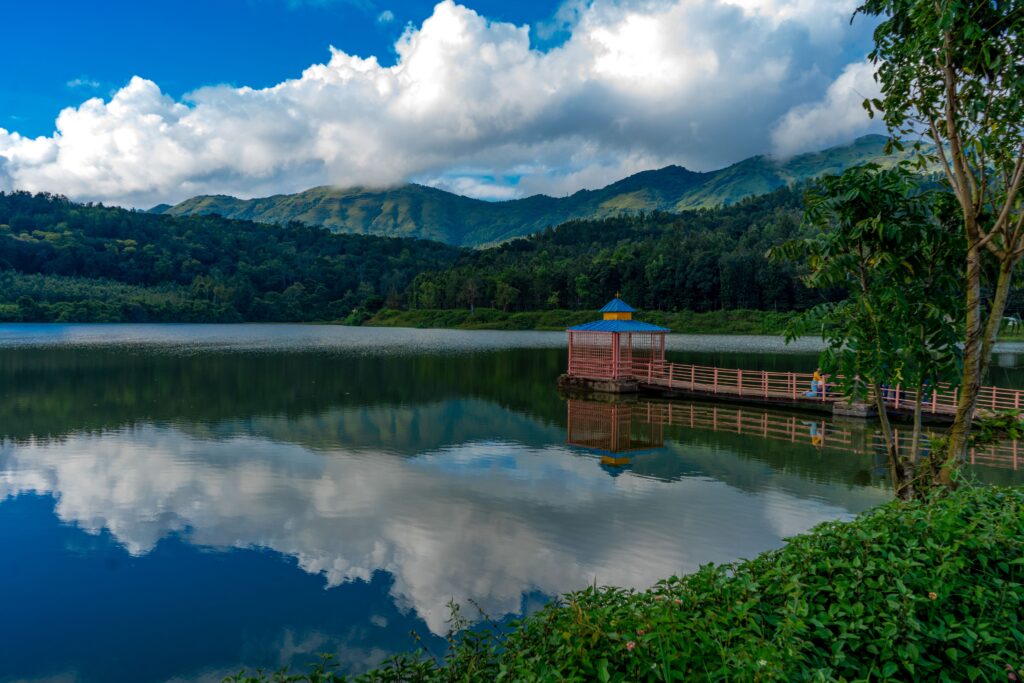
Called the Scotland of India for good reason, Coorg in monsoon lives up to the comparison. Coffee and spice estates draped in mist, Abbey Falls roaring at full capacity, and roads so green they feel like driving through a painting.
The rain here is consistent but rarely violent — perfect for slow drives, estate walks, and sitting on a homestay balcony listening to nothing but water and birds.
Best time to visit: June–August Don’t miss: Abbey Falls, Raja’s Seat at dawn, Dubare Elephant Camp
3. Cherrapunji, Meghalaya — The Wettest Place on Earth
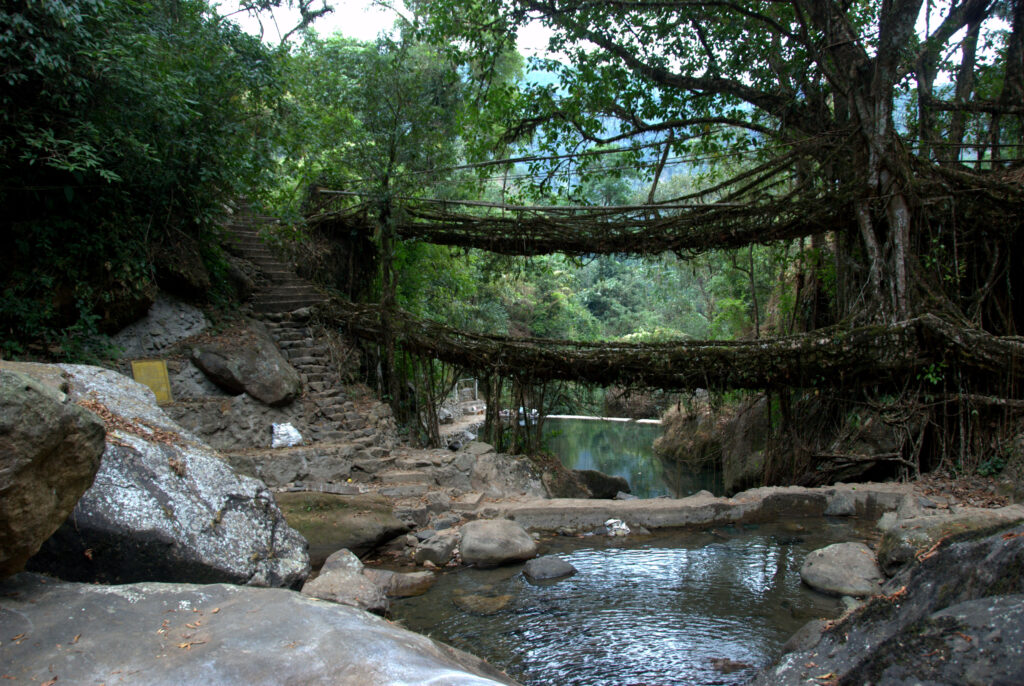
Cherrapunji (and nearby Mawsynram) hold the records for the highest annual rainfall ever recorded on earth. In monsoon, this isn’t a statistic — it’s an experience. Waterfalls appear on every hillside. The living root bridges of Meghalaya — grown over centuries by the Khasi tribe — are surrounded by mist and running water. It looks like a fantasy film set.
The Meghalaya Tourism Board considers June–September the peak of the region’s visual beauty — and the crowds are a fraction of what Goa and Rajasthan see in winter.
Best time to visit: June–September Don’t miss: Nohkalikai Falls (India’s tallest plunge waterfall), Double Decker Living Root Bridge, Mawsmai Caves
4. Valley of Flowers, Uttarakhand — A Trek That Earns Its Name
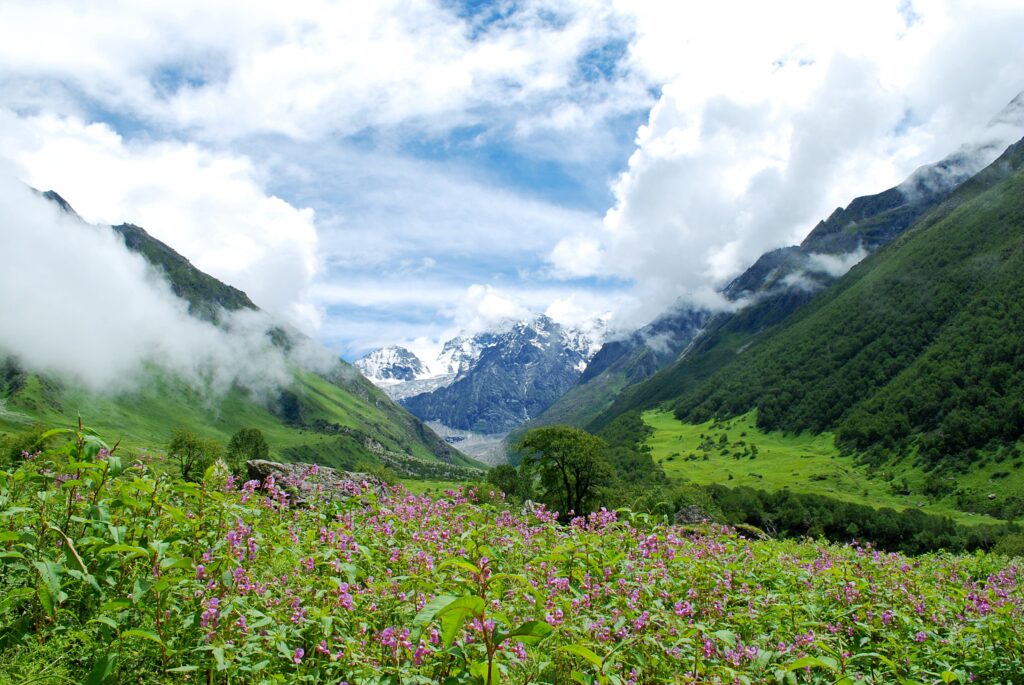
The Valley of Flowers National Park — a UNESCO World Heritage Site — only becomes the Valley of Flowers during monsoon. The rest of the year it’s snow-covered or dry. From mid-July to mid-August, over 300 species of wildflowers bloom across a high-altitude valley in the Himalayas. It is one of the most genuinely rare natural sights in the world.
The trek from Govindghat is manageable for most moderately fit travellers. It’s worth every step.
Best time to visit: Mid-July to mid-August Don’t miss: The valley meadow itself, Hemkund Sahib Gurudwara nearby
5. Lonavala & Khandala, Maharashtra — The Weekend Reset
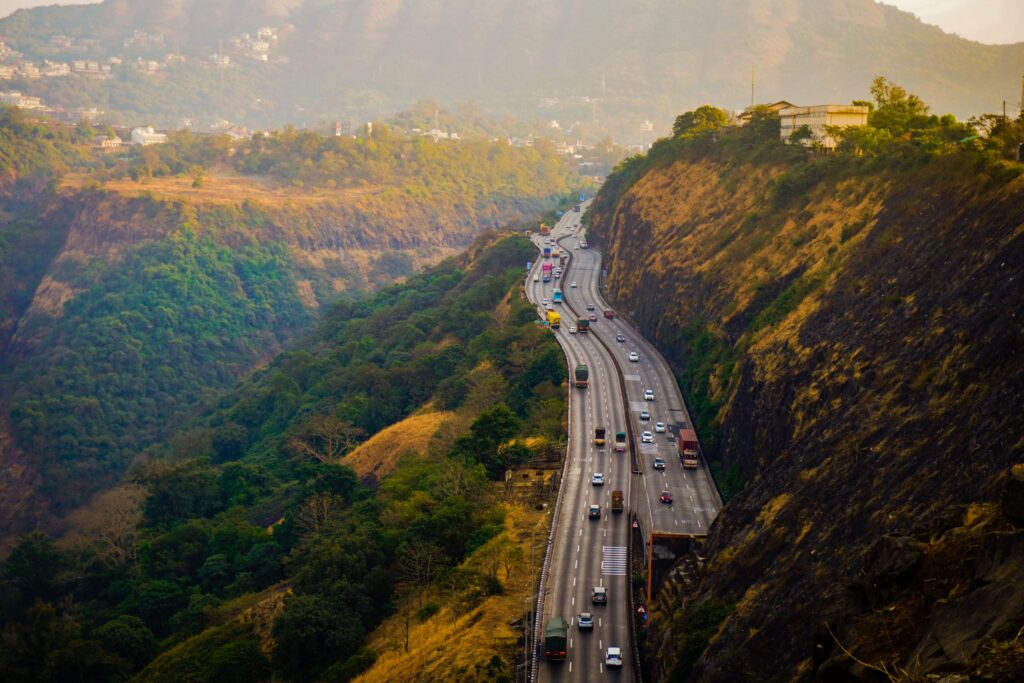
For anyone in Pune or Mumbai, Lonavala in monsoon is the easiest and most rewarding escape India offers. The Western Ghats turn fully green, Bhushi Dam overflows in a way that becomes its own attraction, and the drive up the expressway through clouds and mist is genuinely one of the better road trips in the country.
It’s not remote or exotic. But it’s close, accessible, and genuinely beautiful in a way that resets something in you after weeks of city life.
Best time to visit: July–August Don’t miss: Tiger’s Leap viewpoint, Rajmachi Fort trek, Bhushi Dam (early morning before crowds)
6. Spiti Valley, Himachal Pradesh — Monsoon’s Hidden Paradox
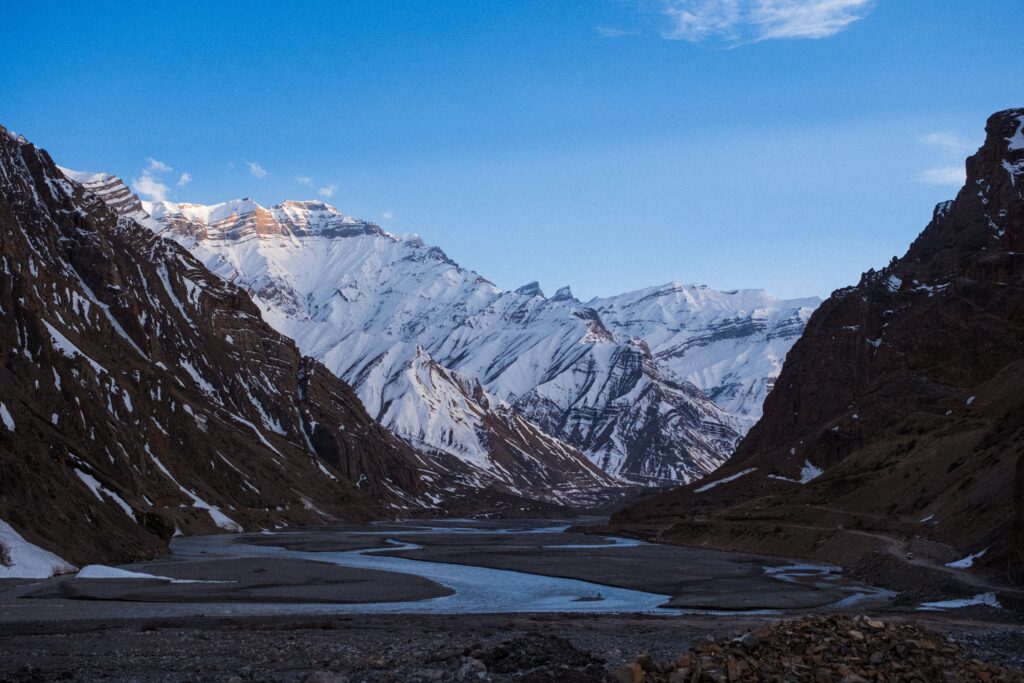
While most of India is drenched, Spiti sits in a rain shadow zone — it gets almost none of the monsoon rainfall. This makes July–September the ideal window to visit: the high-altitude passes that connect Spiti are open, the roads are at their most accessible, and the stark brown-and-ochre landscape is dramatically different from everywhere else on this list.
It’s the one place where monsoon season means clear blue skies rather than clouds. A deliberate paradox — and one that rewards travellers who know about it.
Best time to visit: July–September Don’t miss: Key Monastery, Chandratal Lake, Kaza village
7. Goa — Yes, Even Goa
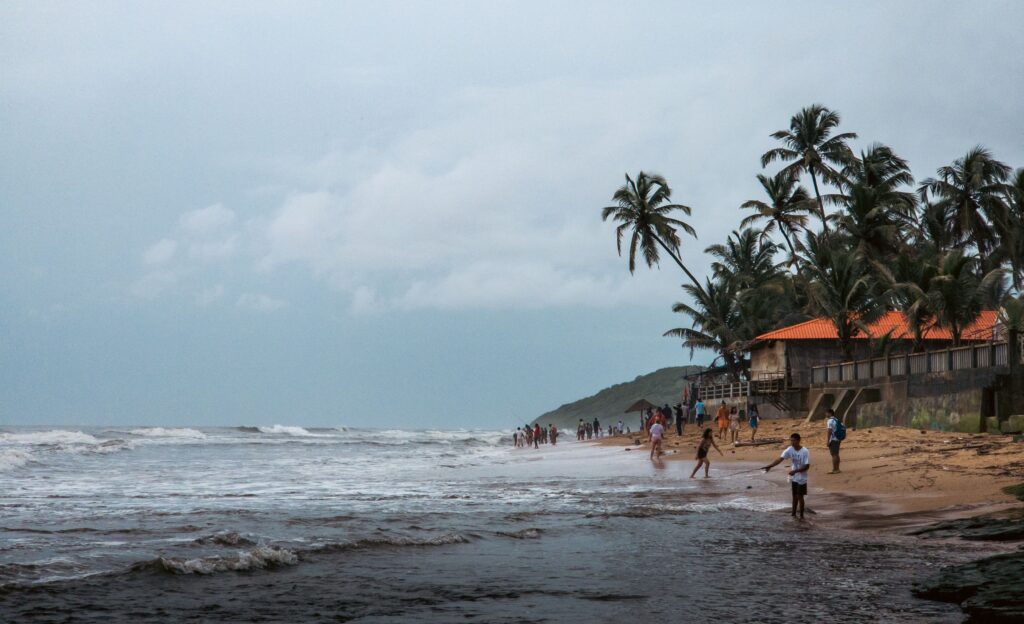
Most people write Goa off in monsoon. That’s their loss. The tourist crowds disappear almost completely. Prices drop by 30–50%. The beaches are dramatic rather than crowded — high waves, green interior, and a version of Goa that locals actually prefer. Dudhsagar Falls, accessible only by jeep safari through the jungle, is at its absolute peak in July and August.
Goa Tourism now actively promotes the monsoon season as an alternative travel window — and the hospitality industry has built experiences specifically around the rains.
Best time to visit: July (slightly less rain than August, but still lush) Don’t miss: Dudhsagar Falls, Old Goa heritage churches, North Goa’s empty beaches
8. Ziro Valley, Arunachal Pradesh — The Northeast Secret
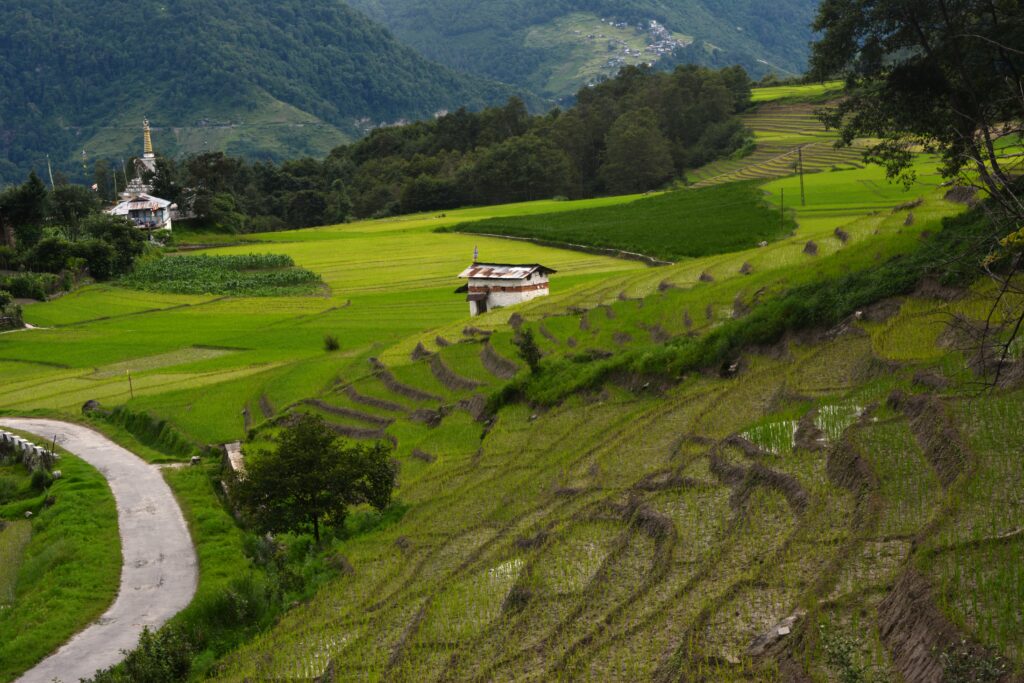
Ziro Valley in Arunachal Pradesh is one of those places most Indians have never visited and most foreigners have never heard of. A UNESCO tentative World Heritage Site, it’s home to the Apatani tribe and a vast expanse of terraced rice fields that hit their visual peak during monsoon — bright green paddies against forested hills and low cloud.
It’s remote in the best way — a place that requires intent to reach, and rewards that intent completely.
Best time to visit: July–September Don’t miss: Tarin Fish Farm, Talley Valley Wildlife Sanctuary, Ziro Music Festival (September)
9. Mahabaleshwar, Maharashtra — The Strawberry Hill Station
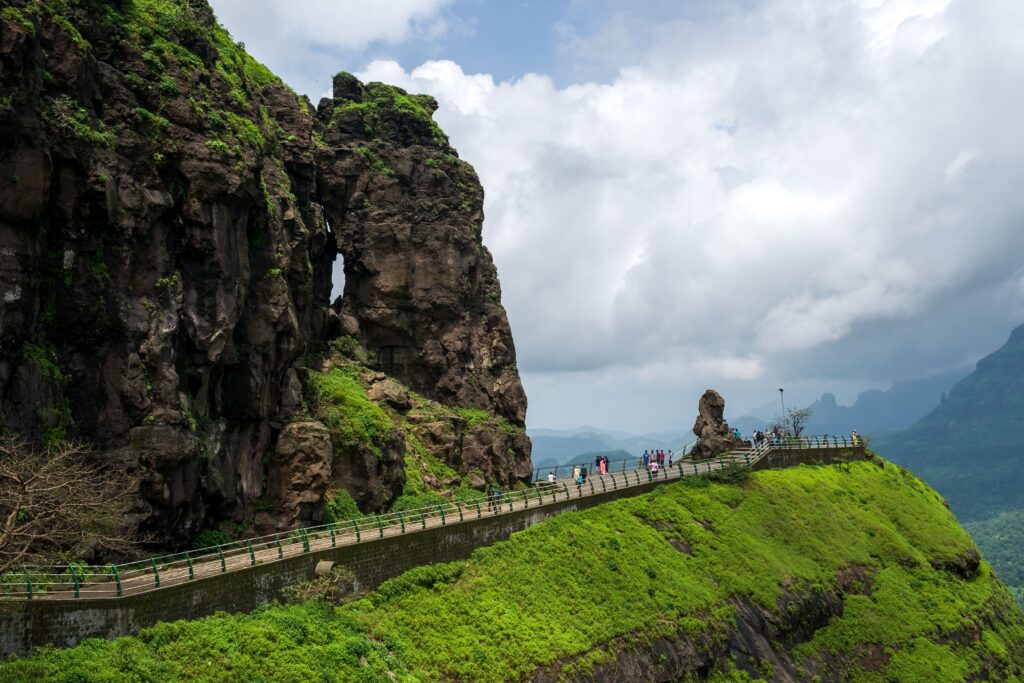
Mahabaleshwar receives some of the highest rainfall of any hill station in Maharashtra — which means in monsoon, every viewpoint is either dramatic or covered in cloud, and often both within the same hour. The strawberry farms are in full season, the waterfalls are at their loudest, and the entire plateau turns a deep emerald.
The fog and mist here are different from Coorg or Munnar — heavier, more dramatic, sometimes reducing visibility to a few metres. It’s an experience that feels simultaneously eerie and peaceful.
Best time to visit: June–September Don’t miss: Arthur’s Seat viewpoint, Lingmala Waterfall, Venna Lake
10. Andaman Islands — Monsoon’s Best Kept Secret
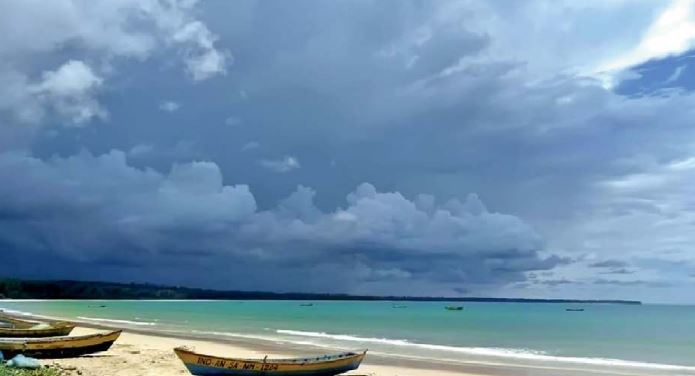
The Andamans receive monsoon but in a milder, more predictable pattern than the mainland — particularly in the South Andaman district. Sea conditions allow swimming and light snorkelling through most of July. Havelock Island (Swaraj Dweep) is less crowded, accommodation is significantly cheaper, and the water is still clear enough to see the coral.
For serious divers, monsoon brings different marine life to the surface — including whale sharks that are rarely spotted during peak tourist season.
Best time to visit: Late June–July (before Bay of Bengal storms intensify in August) Don’t miss: Radhanagar Beach, Neil Island, snorkelling at Elephant Beach
The Mindset That Makes Monsoon Travel Worth It
Every destination on this list is better in some way during monsoon — not worse. The crowds thin, the prices drop, the landscape transforms, and the experience becomes more personal and more real.
But here’s what most people miss: the discomfort of travelling in rain, of roads that are sometimes muddy, of plans that change because of weather — that’s not a downside. That’s the point. The best travel experiences aren’t the ones where everything goes perfectly. They’re the ones where you adapted, improvised, and came home with a story.
A rooted mind doesn’t wait for perfect conditions. It finds the destination worth going to anyway.
Quick Reference: At a Glance
| Destination | State | Best For | Peak Months |
|---|---|---|---|
| Munnar | Kerala | Tea gardens, GAP Road | July–August |
| Coorg | Karnataka | Coffee estates, waterfalls | June–August |
| Cherrapunji | Meghalaya | Waterfalls, root bridges | June–September |
| Valley of Flowers | Uttarakhand | High altitude trekking | Mid July–Mid August |
| Lonavala | Maharashtra | Weekend escape from Pune/Mumbai | July–August |
| Spiti Valley | Himachal Pradesh | Desert landscape, no rain | July–September |
| Goa | Goa | Empty beaches, Dudhsagar | July |
| Ziro Valley | Arunachal Pradesh | Rice fields, tribal culture | July–September |
| Mahabaleshwar | Maharashtra | Mist, strawberries, viewpoints | June–September |
| Andaman Islands | Andaman & Nicobar | Diving, beaches, fewer crowds | Late June–July |
Read next: [What the Rain Teaches You About Letting Go — link here] | [Monsoon Fitness Tips — link here]